Digital product design
Hope in Action
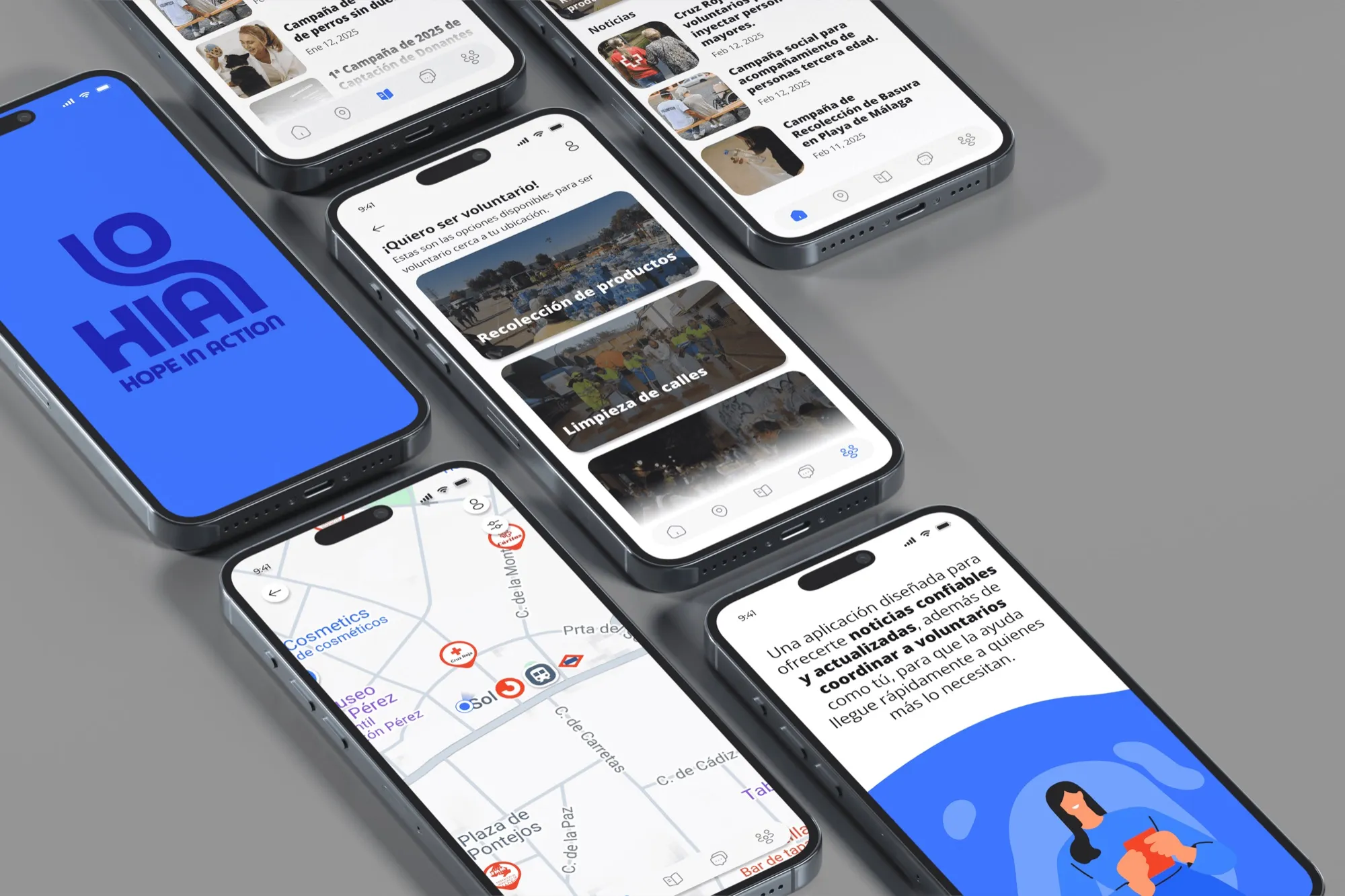
An app that coordinates reliable news, volunteers and donation centers so aid reaches people faster after a disaster.
Digital product design
An app that coordinates reliable news, volunteers and donation centers so aid reaches people faster after a disaster.
Overview
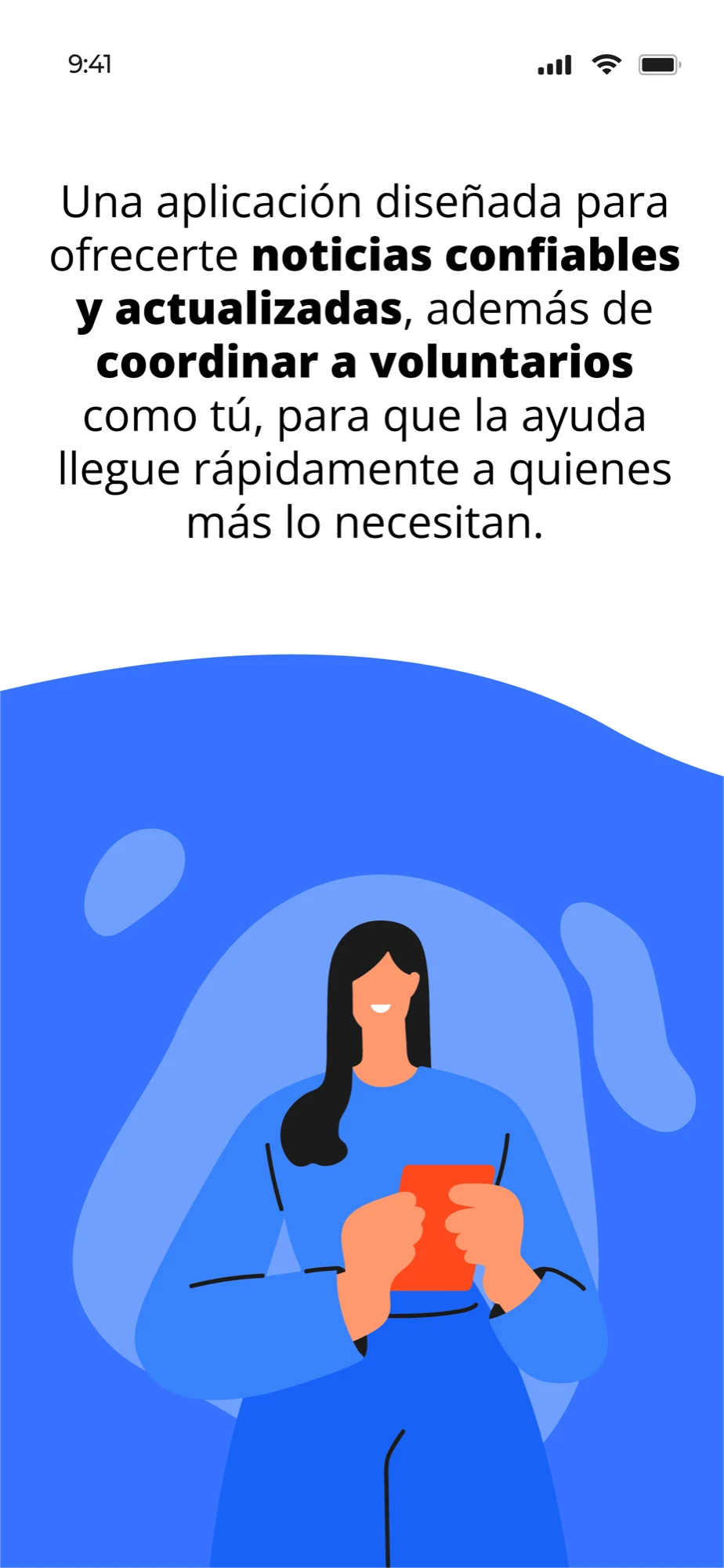
An application designed to provide reliable, up-to-date news while coordinating volunteers and donation centers to ensure that aid reaches those most in need as swiftly and efficiently as possible.
For the development of this product, a design process was carried out using the Design Thinking methodology, executing each of its phases in order to achieve an exceptional user experience.
Method
Design Thinking, from research to an interactive prototype. The ideation phase carried most of the work.
Discover
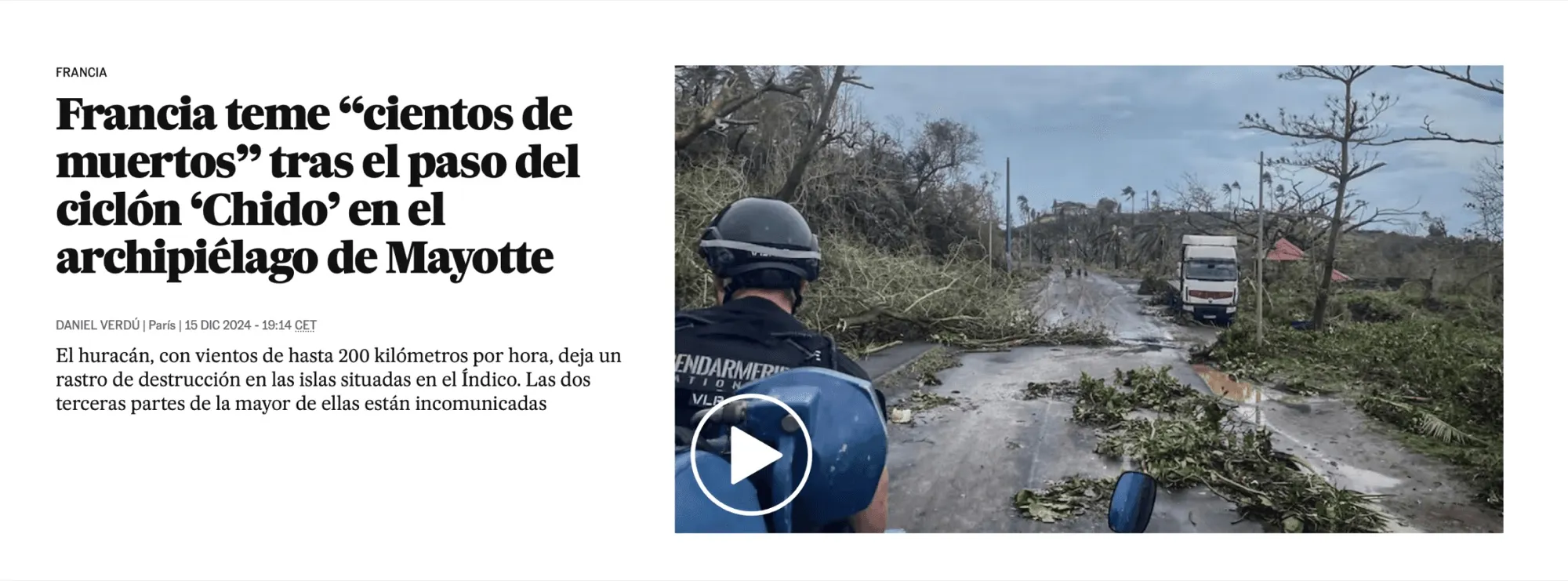
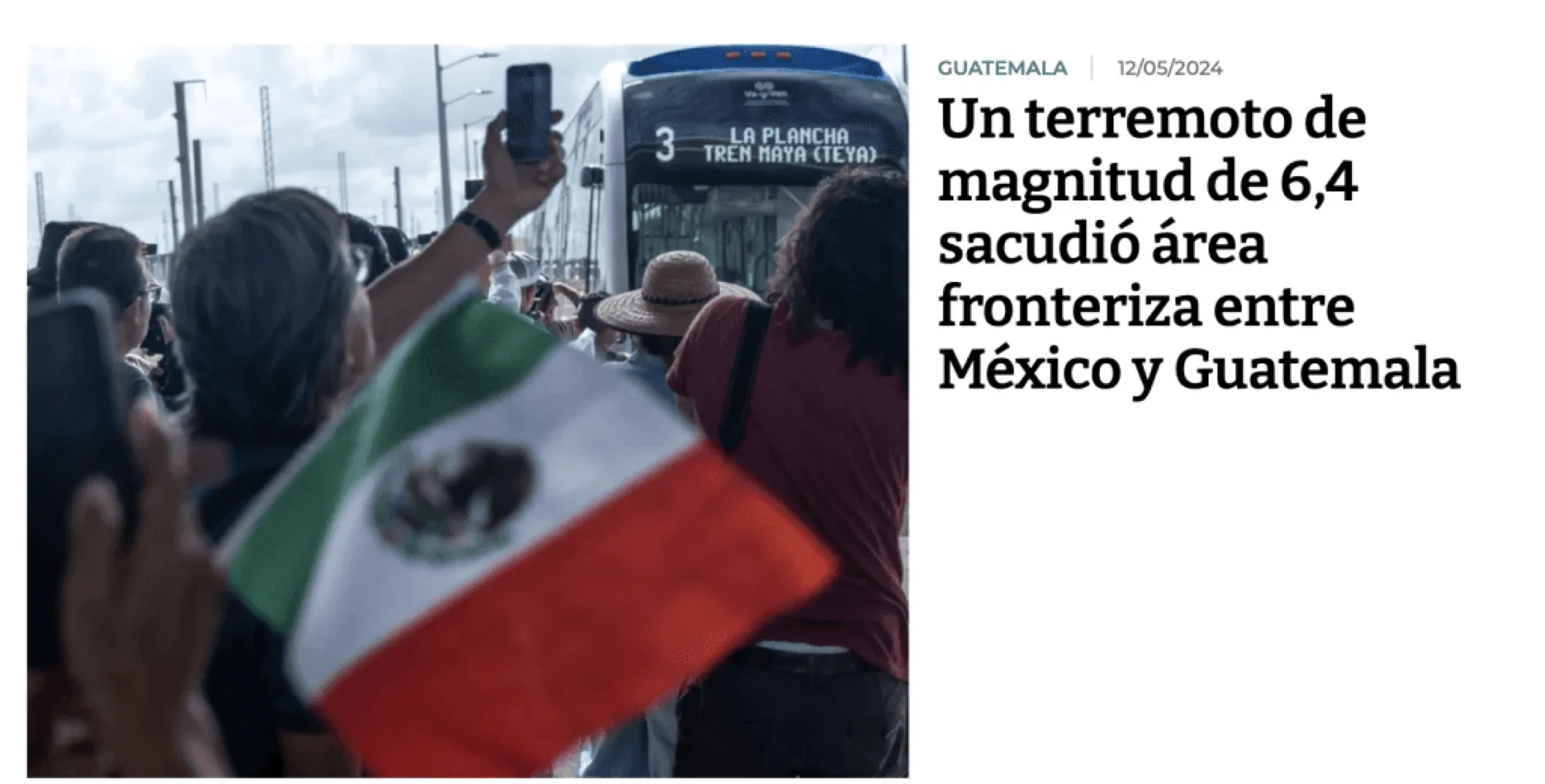
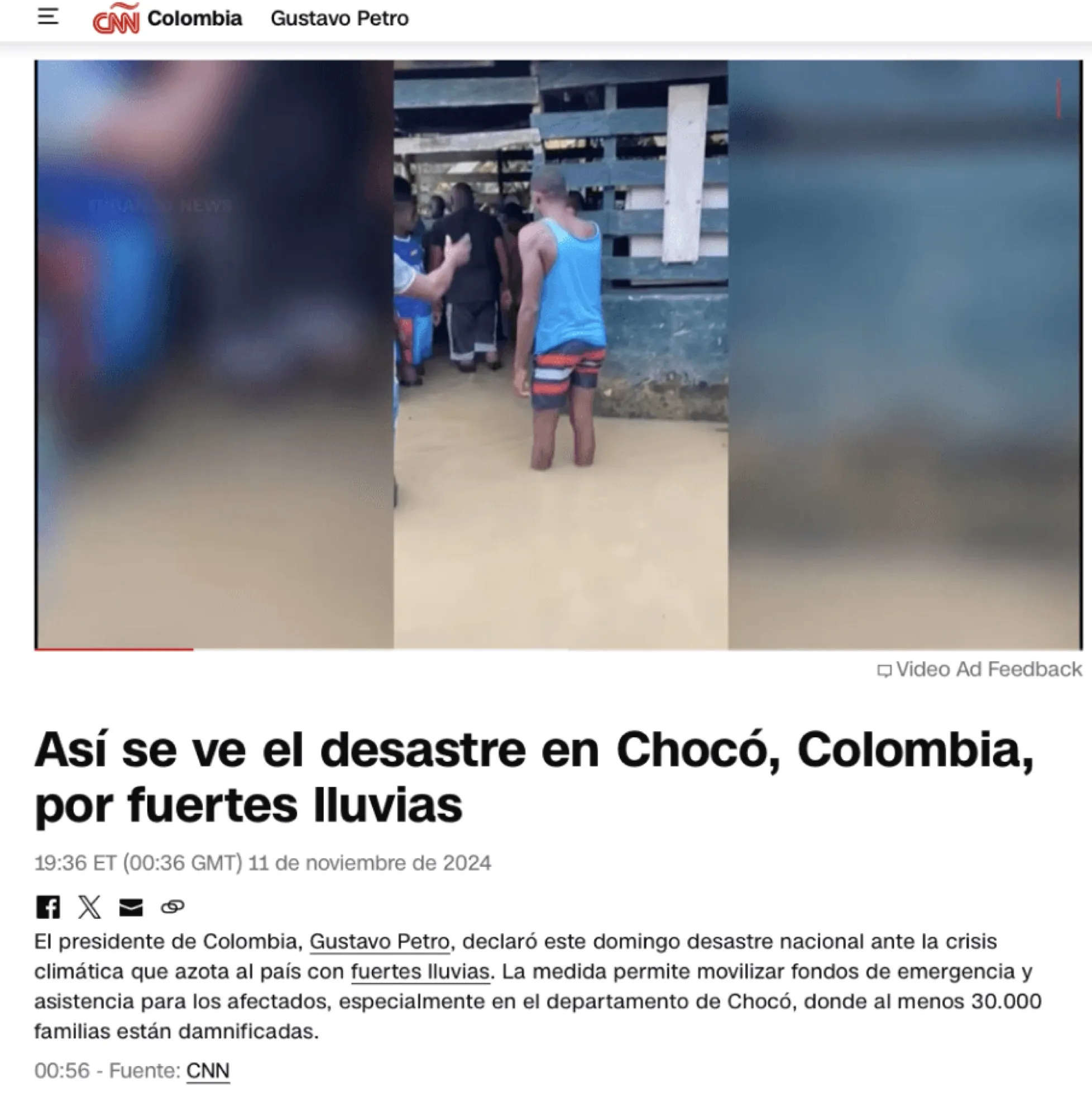
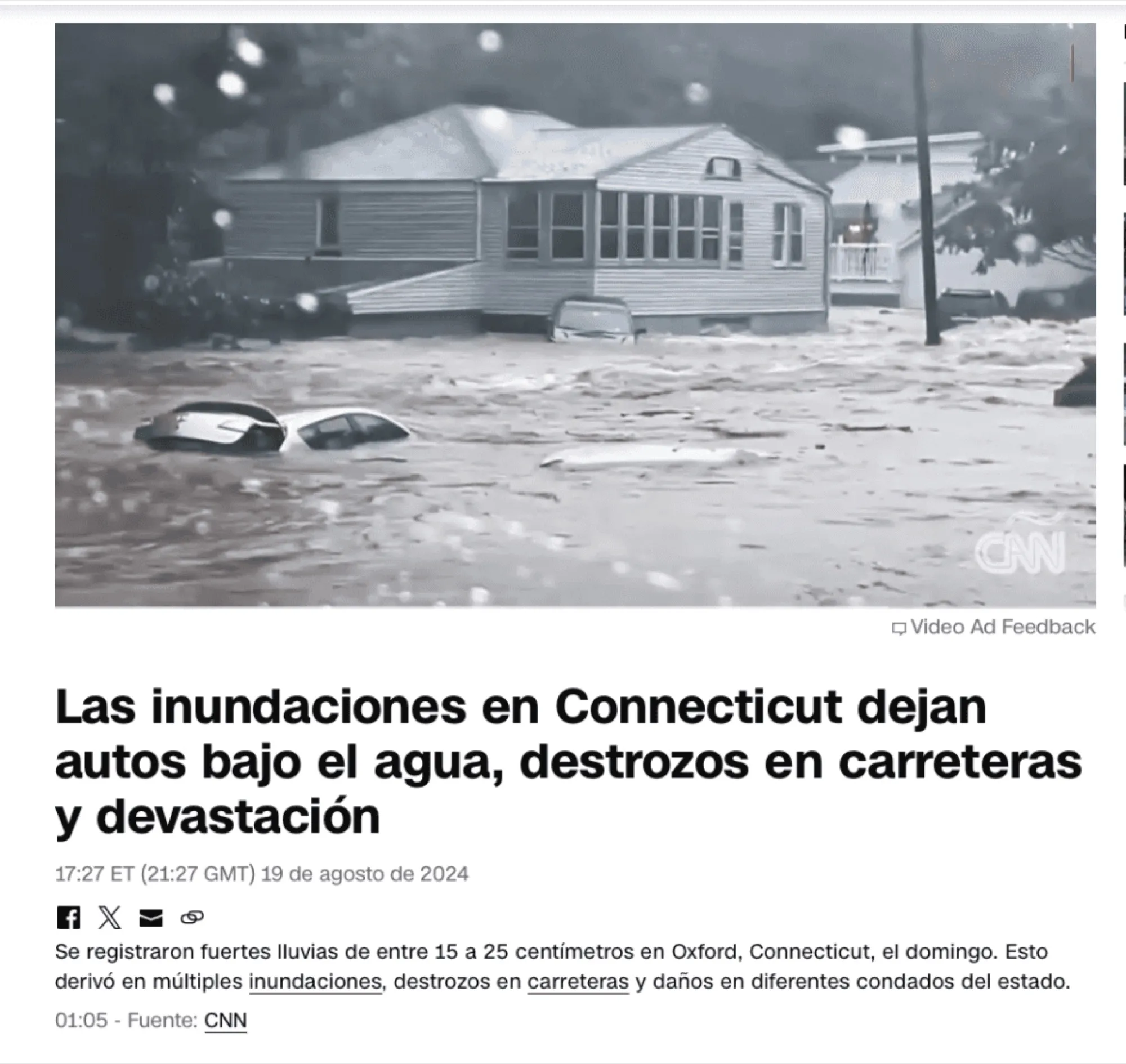
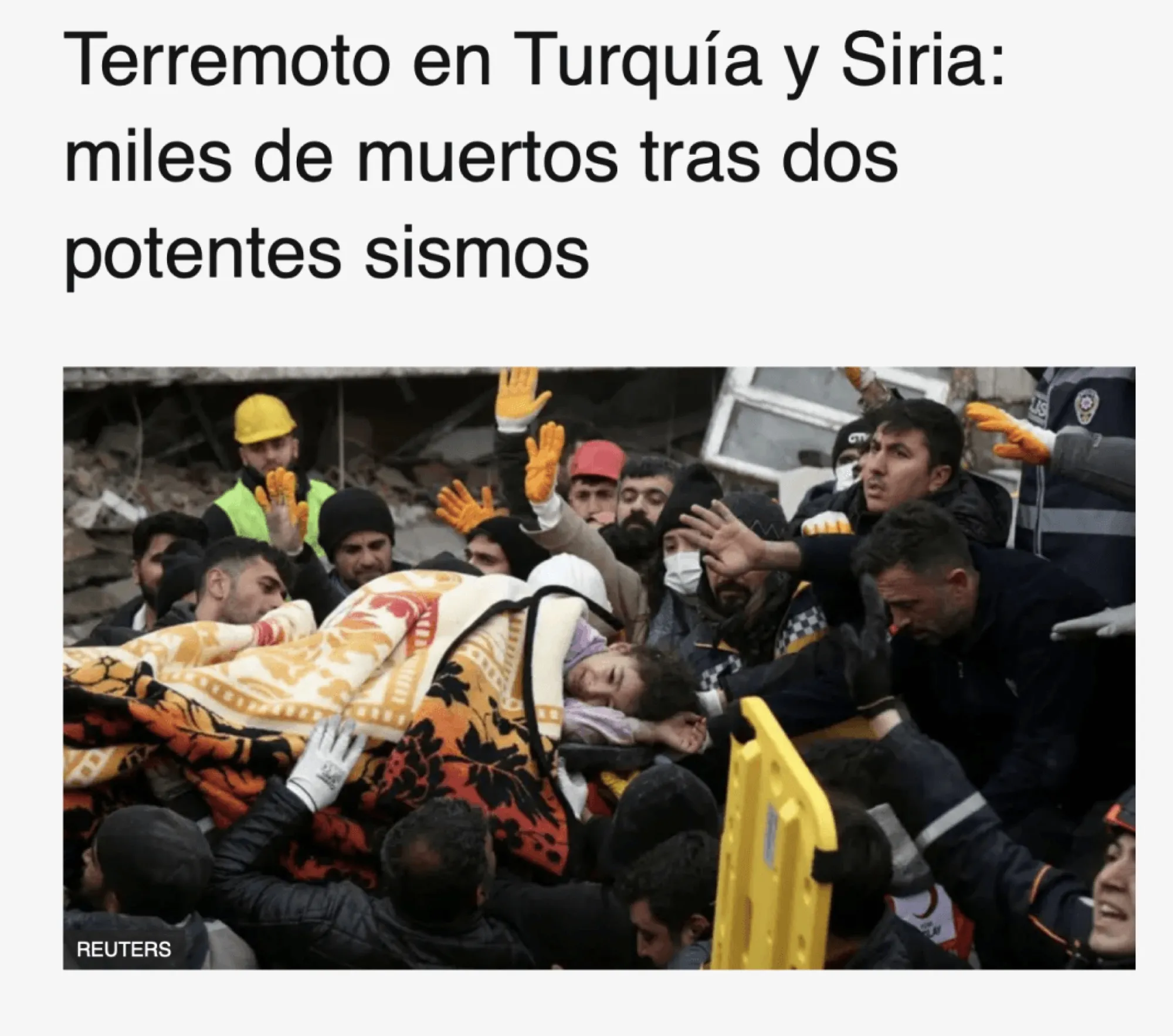
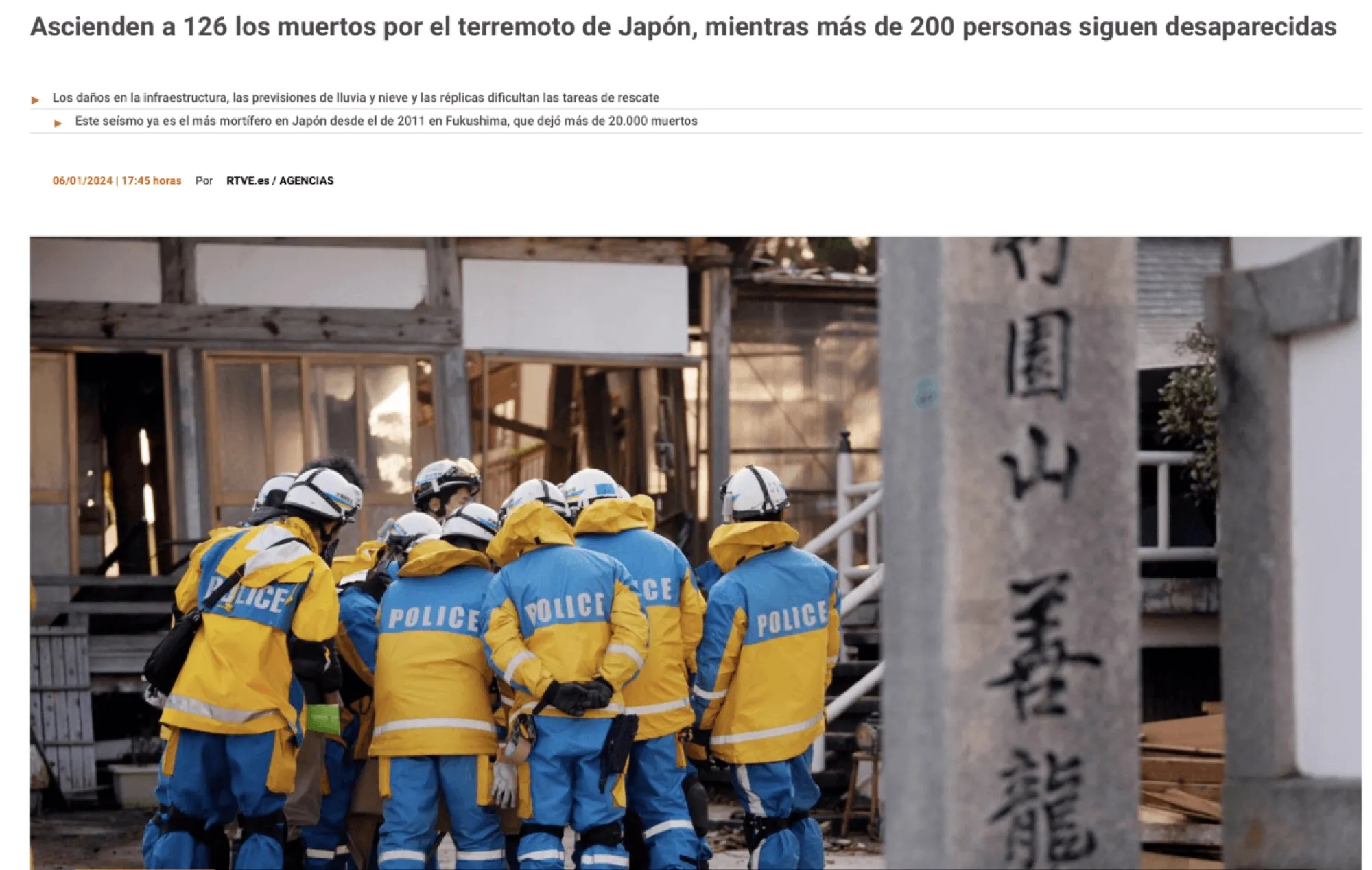
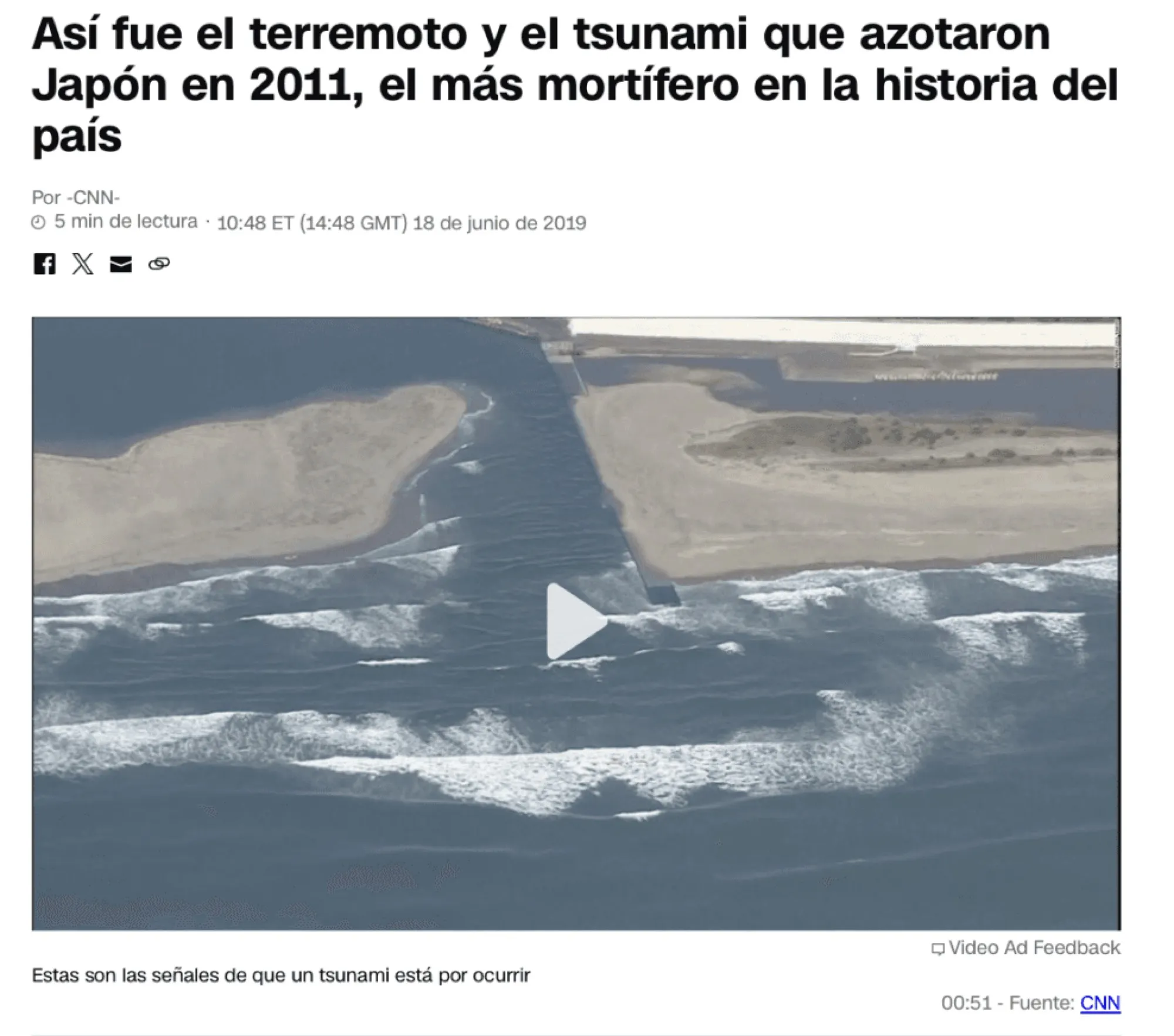
Climate change is multiplying disasters: extreme weather, floods, heatwaves and threats to food and water. And the aid that follows often doesn't reach the people who need it.
Of the international donations were wasted due to lack of coordination.
The aid did not reach its destination on time due to the overload of distribution points and logistical infrastructure.
People tried to help without the proper coordination, which caused difficulties in channeling the aid.
Donations during the first few weeks after a disaster consist of unsolicited goods.
Define
Hypothesis: people who want to help after a disaster often lack the organization and information to make their support count.
Volunteers rarely have training in crisis management.
Aid arrives late because people lack the organization and information to act on time.
Without reliable information, people donate the wrong products and can't organize requests and shipping.
Pain points behind them
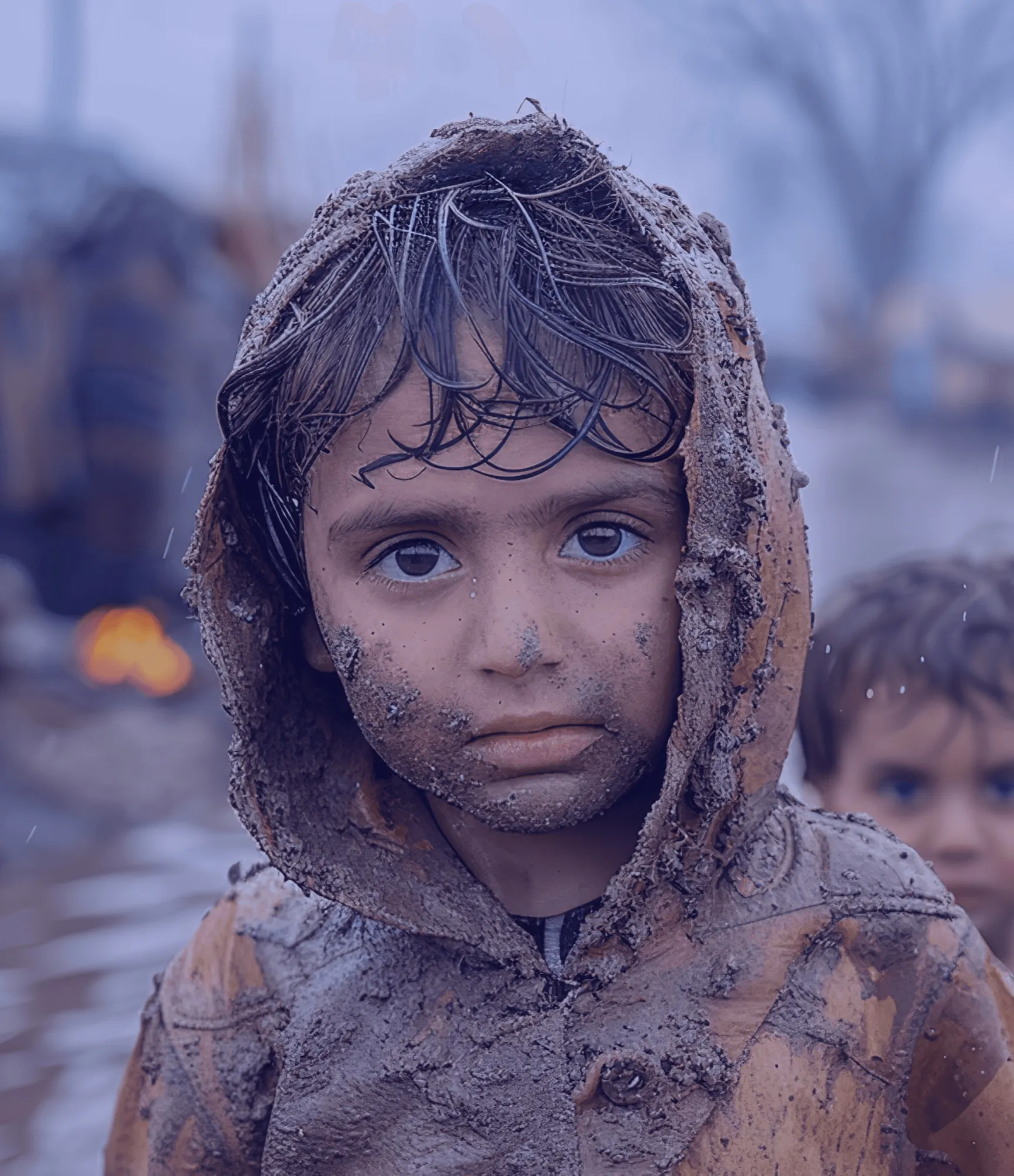
Misinformation and lack of empathy make it hard for a community to get the aid it needs in a crisis.
Define
How could we guarantee useful and up-to-date information during a crisis, ensuring it reaches the public in time to optimize donations, improve transportation, and facilitate the effective coordination of volunteers in the affected areas?
Ideate
Our application is aimed at individuals with informational interests and participation in non-profit activities. It provides a comprehensive platform for mobile devices, focused on disaster-related information, allowing for the collection and exchange of real-time information between the different actors involved, such as those affected, NGOs, and volunteers.
Ideate
Systems engineer · 27 years old · Madrid

Ideate
Seven moments, from hearing about a disaster to helping on the ground. Feelings rise once reliable information appears, and dip wherever trust or logistics break.
Too much unverified news.
No clear way to help.
News feels hopeless and unreliable.
Unsure what's really needed.
Doubts that donations arrive.
Blocked or unclear routes.
Unclear instructions, exhaustion.
Actions
Pain points
Actions
Pain points
Actions
Pain points
Actions
Pain points
Actions
Pain points
Actions
Pain points
Actions
Pain points
Ideate


Networks
Volunteers
Influencers
Information Channels
Communicators
Developers
Programmers
UX Designers
Volunteers
System Assistance
Geolocation
Route Optimization
Information Registration
Ideate
Getting in
From Home
Prototype
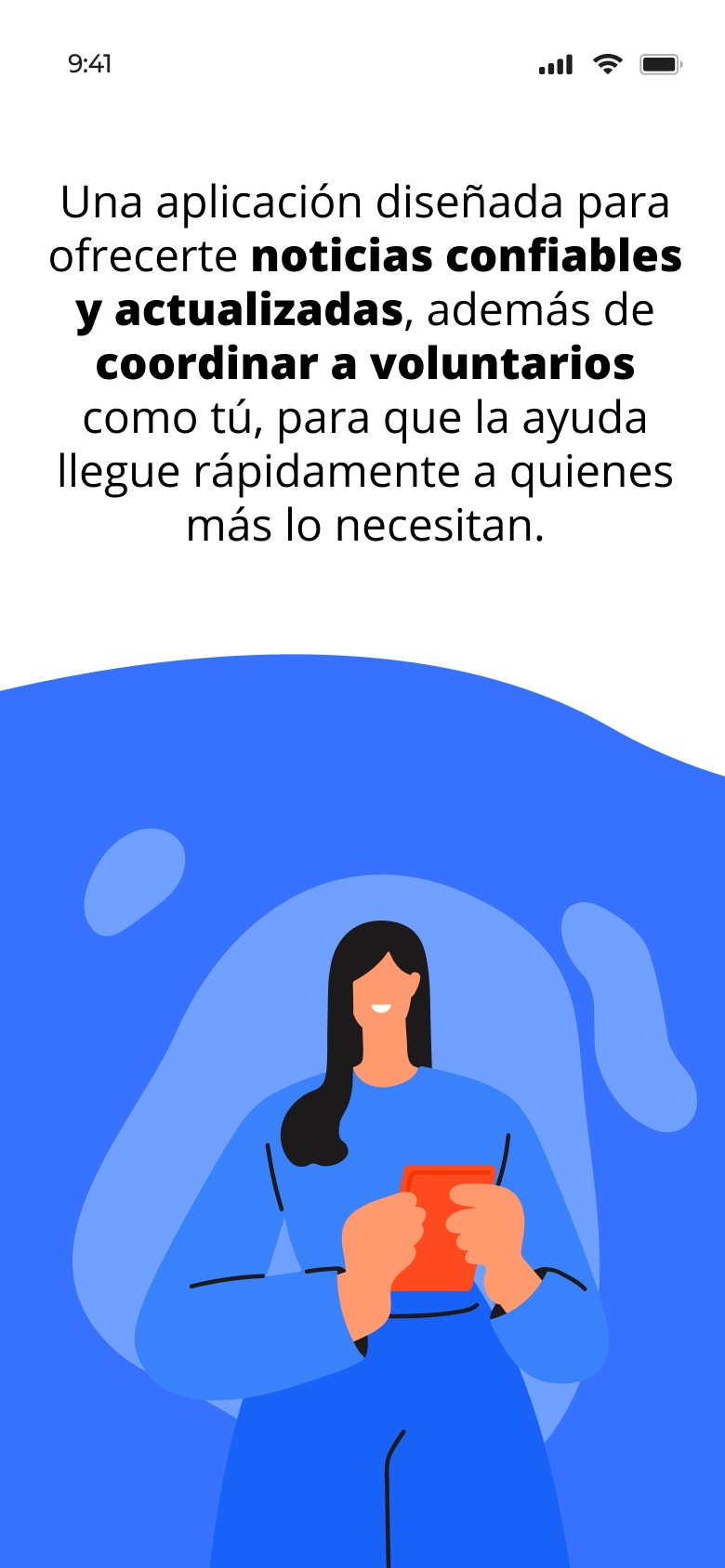
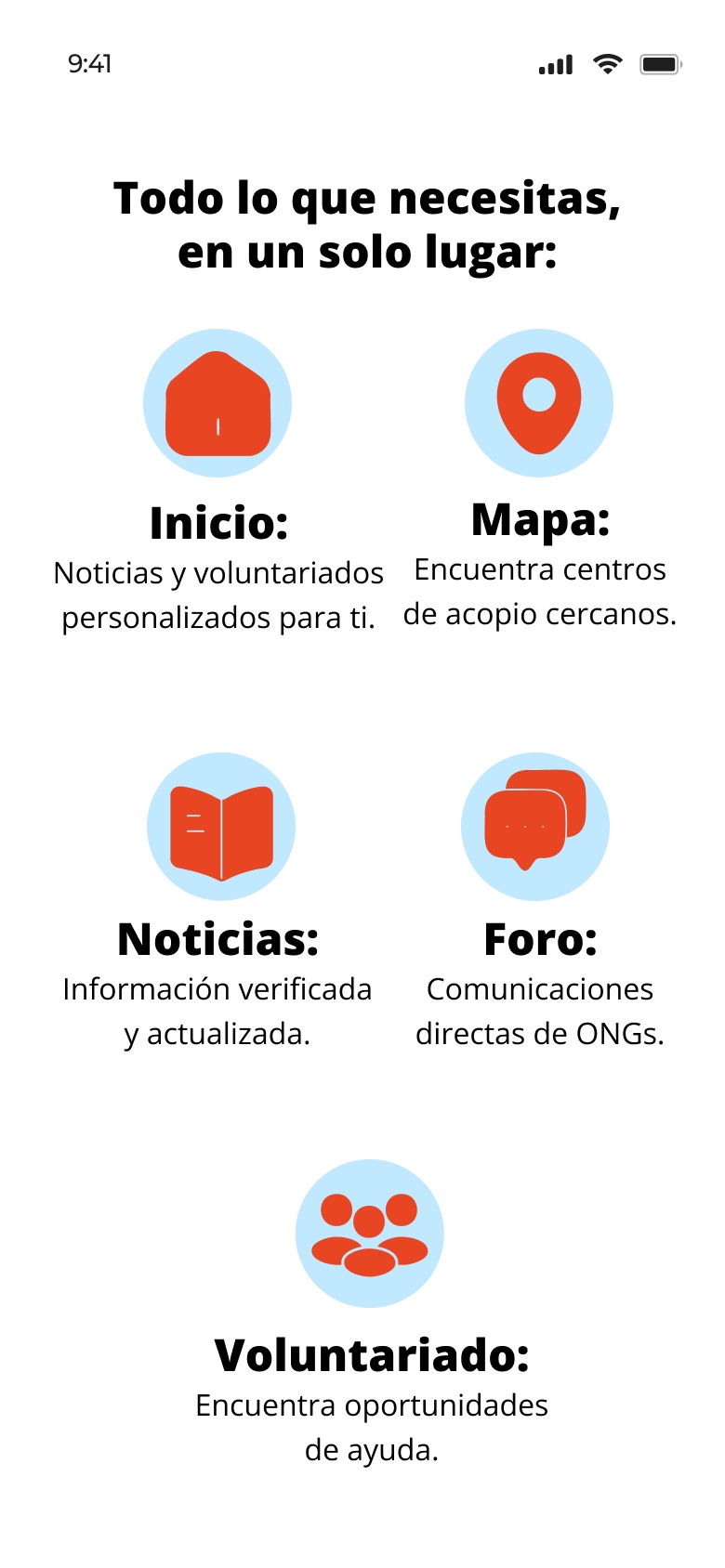
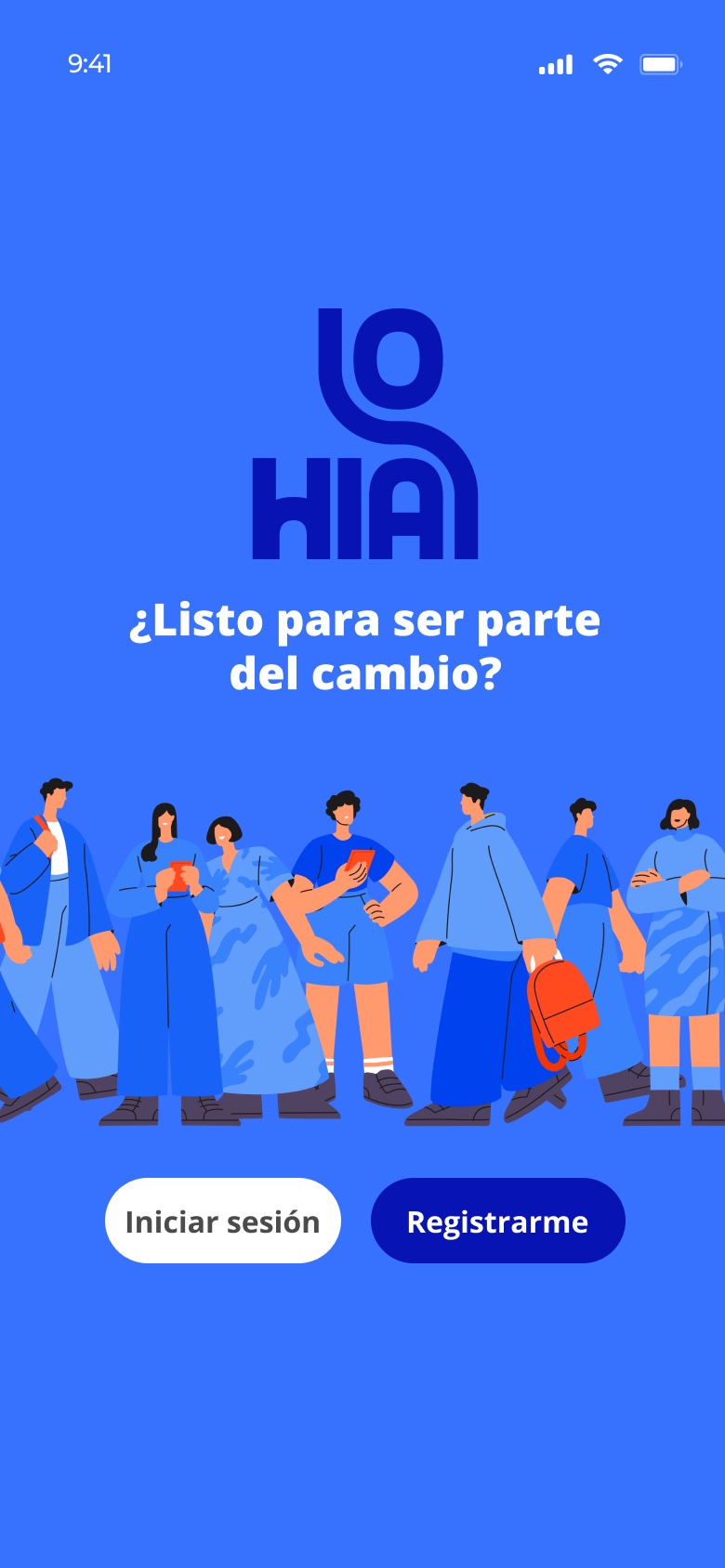
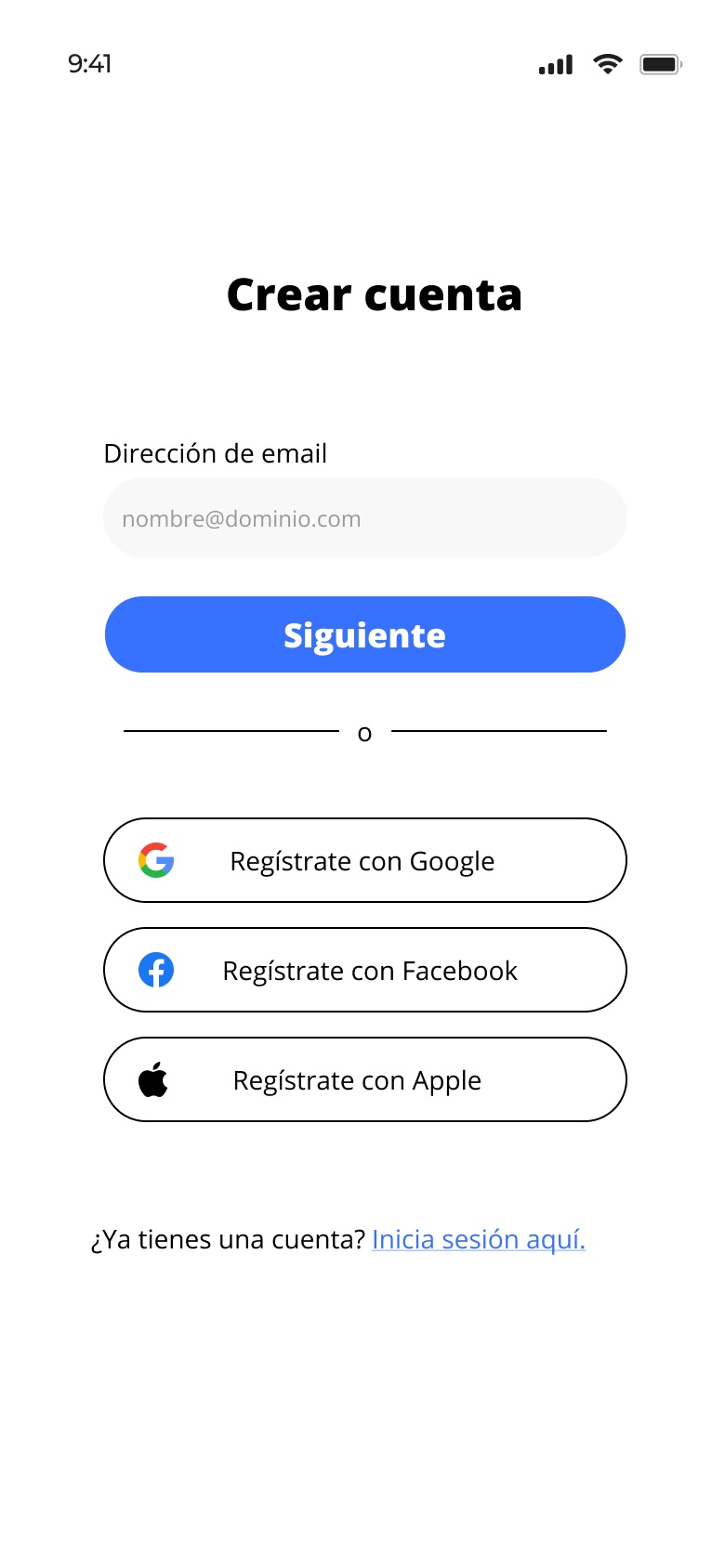
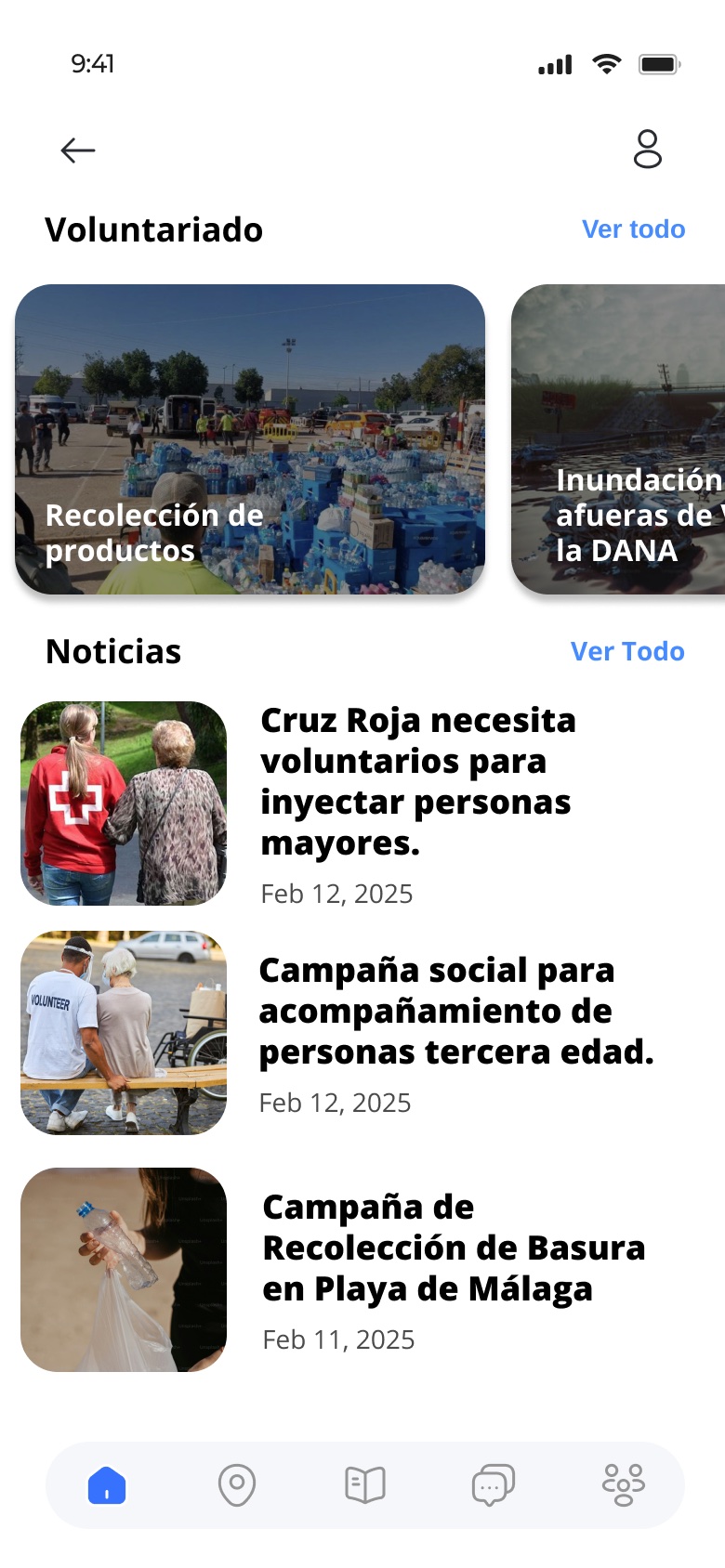
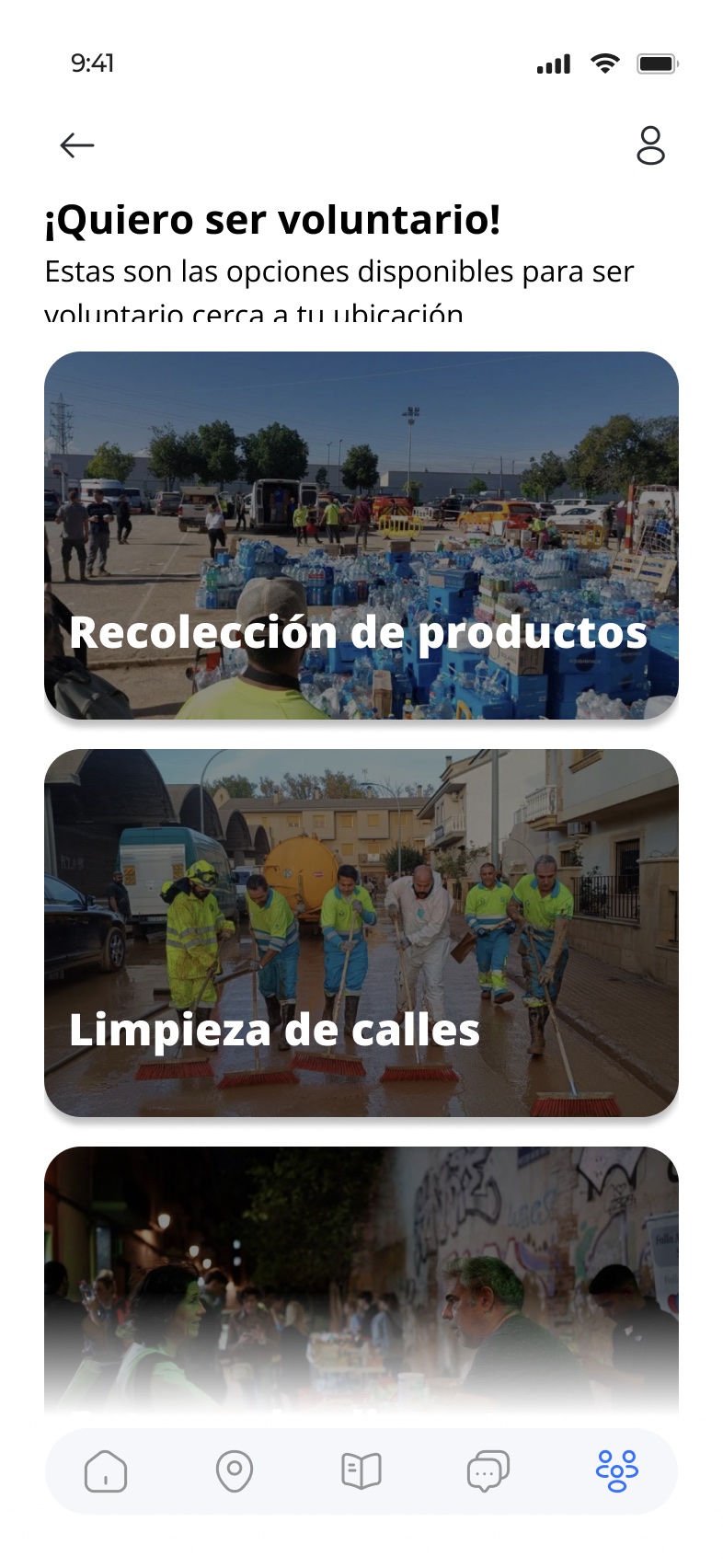
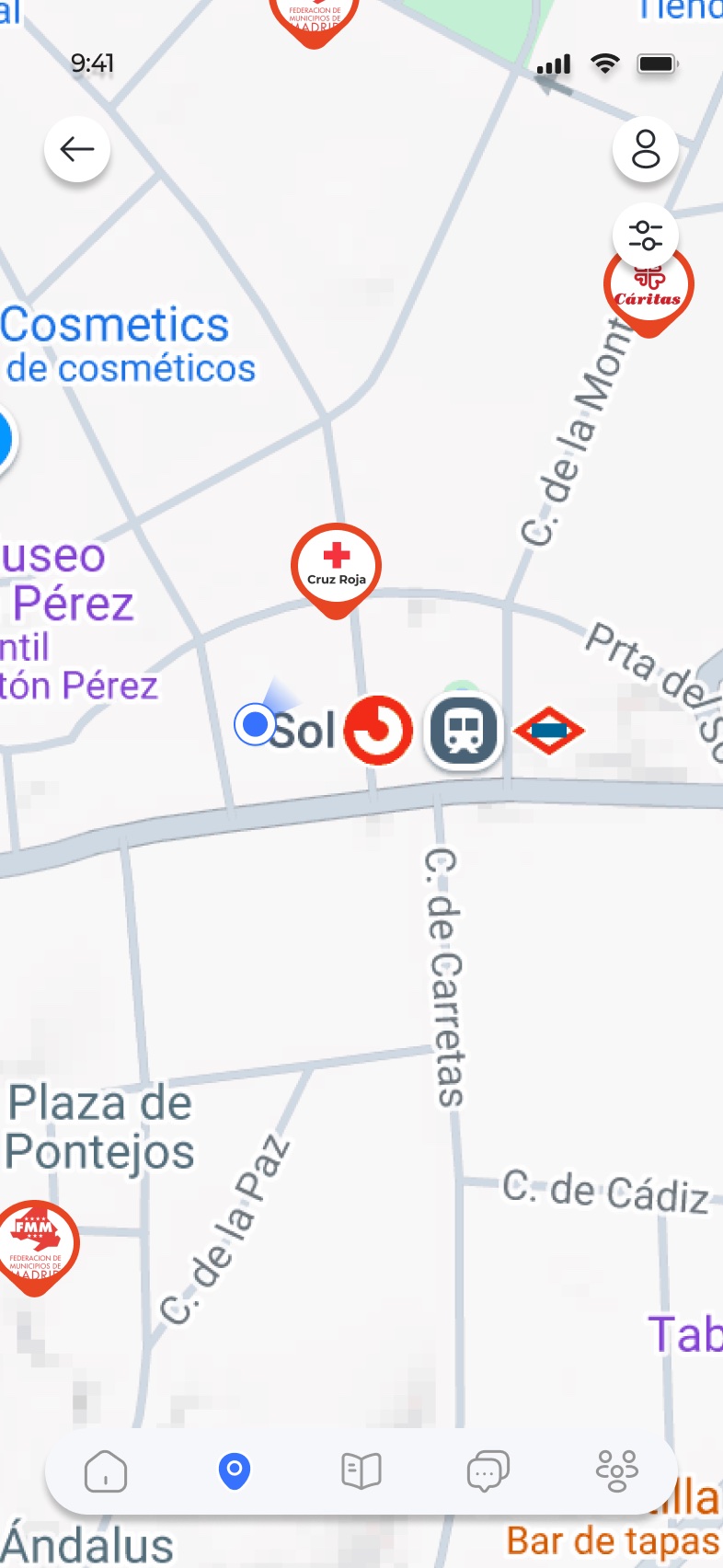
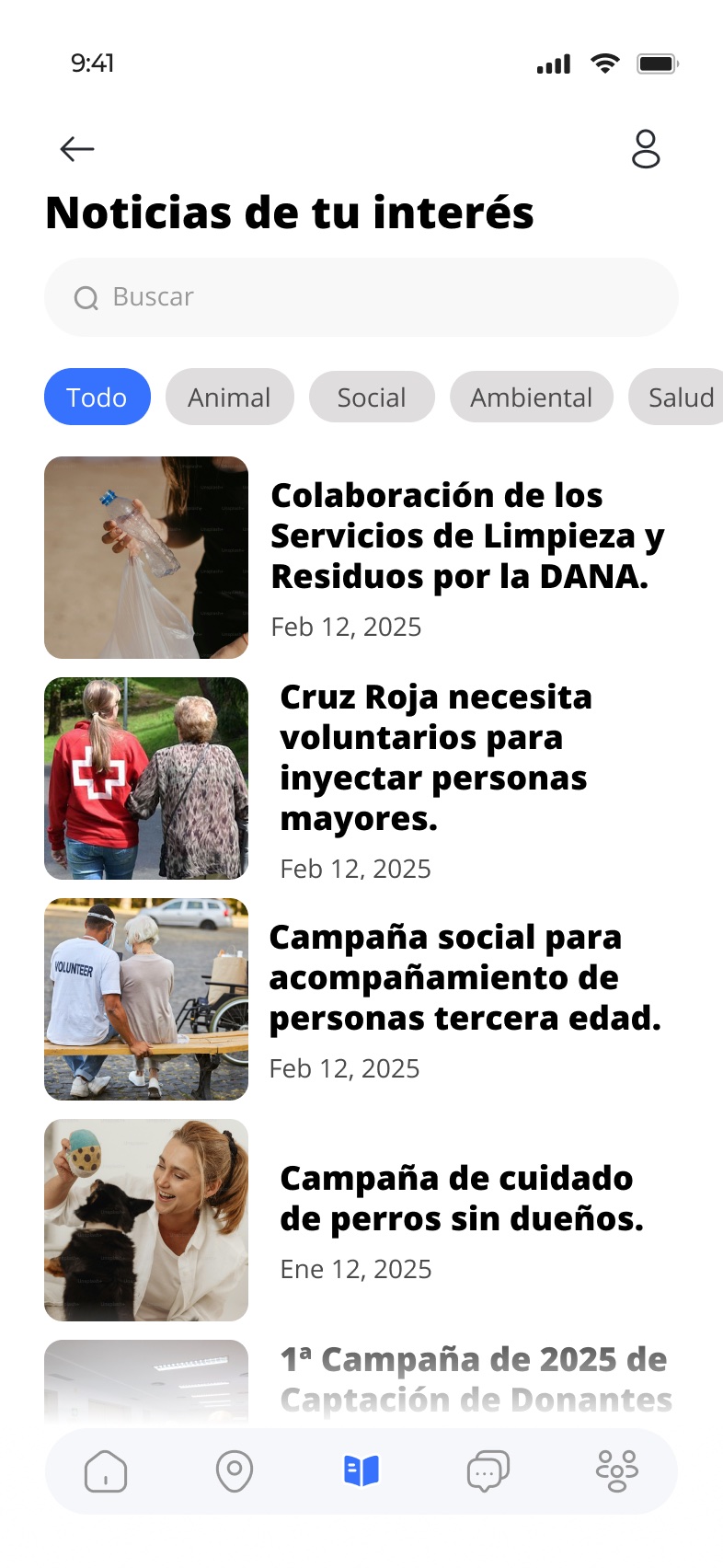
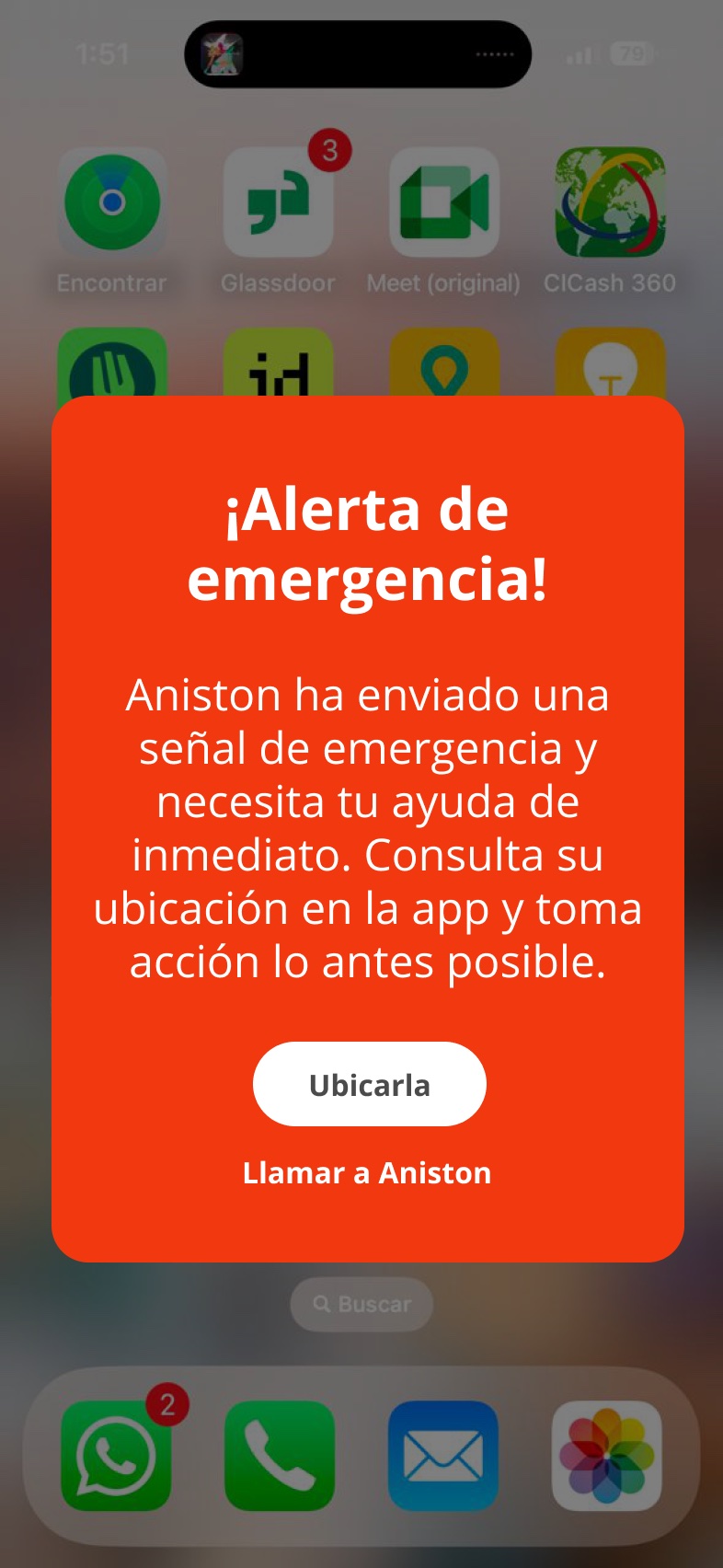
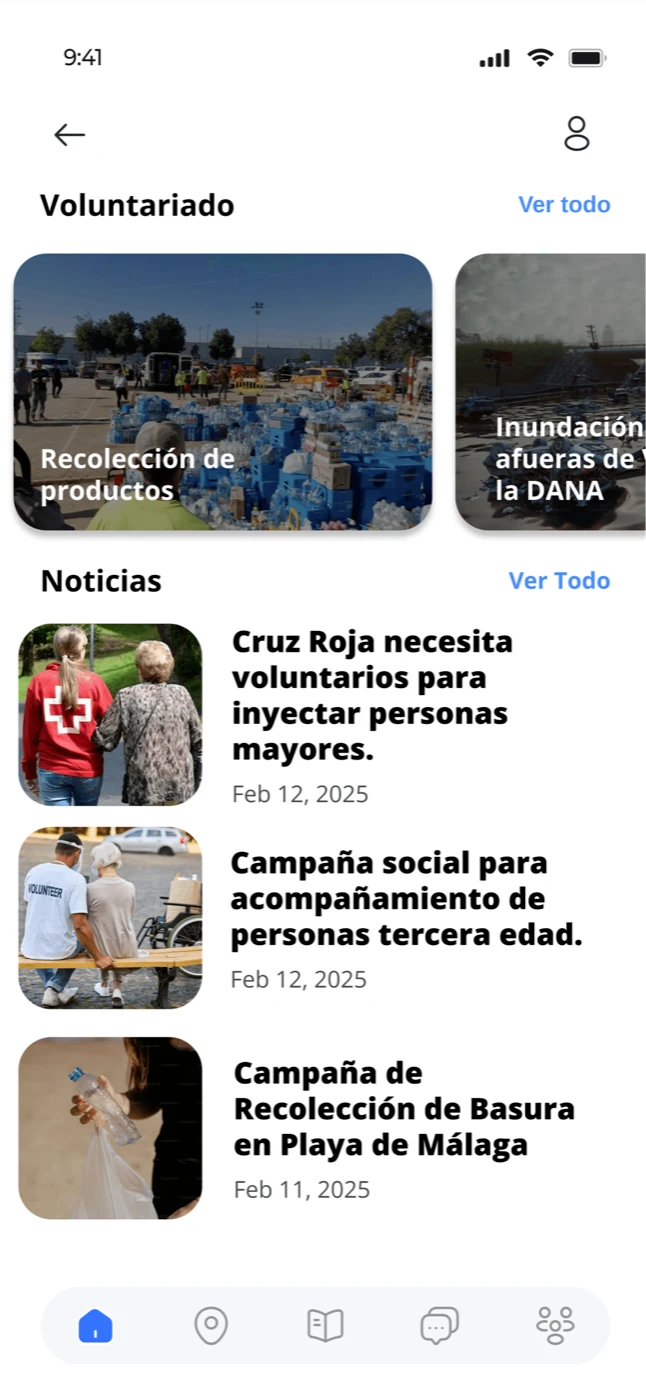
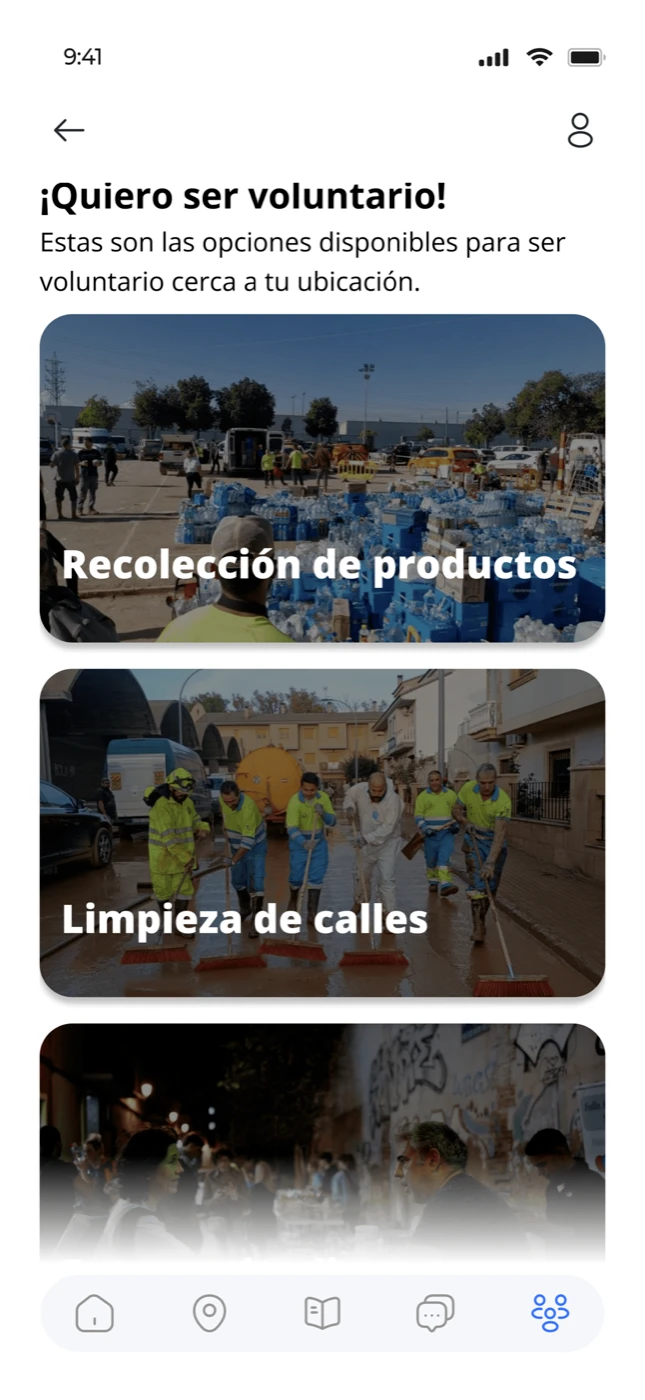
From the first launch to an emergency alert: the main flows of the app, screen by screen.
1 / 10
Prototype
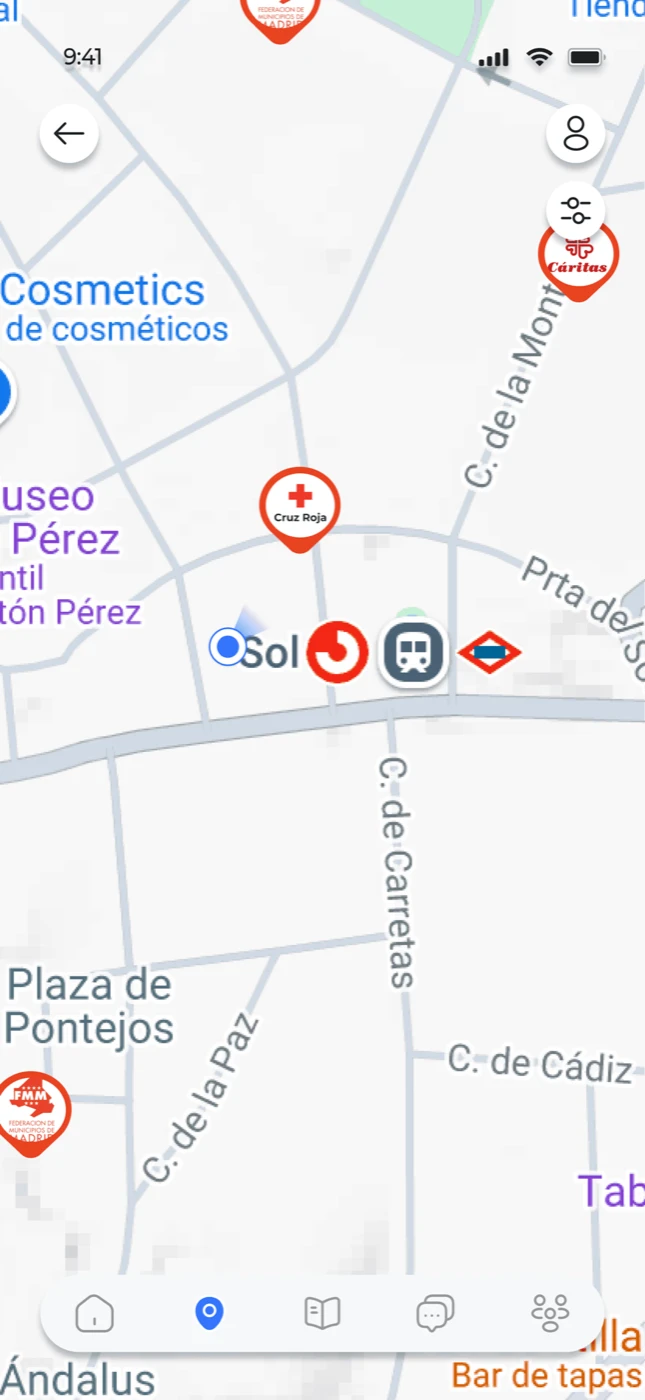
High-fidelity screens, ready to try in the interactive prototype.
Measure
The research showed help failing in three ways: wasted donations, unsolicited goods and aid arriving late. Each metric below tracks one of them.
North star metric
The share of donations and volunteer sign-ups that answer a verified, open need. It only grows when people help with the right thing, in the right place.
From the moment a need is published to the first donation or volunteer committed to it. Targets the aid that arrives too late.
Volunteers who finish registering and show up at the assigned point, not just those who tap "Help".
The share of news confirmed by an NGO or coordinator, and how long verification takes before it reaches the app.
A pilot with one NGO during a local emergency or drill: one group donates from the app's live list of needs, the other through the usual channels. If the app is working, unsolicited goods should fall well below the 40% the USAID study found in the first weeks after a disaster.
Next steps
The project ended at the interactive prototype, before testing with users. These are the tests I'd run before building it.
Can a first-time volunteer or donor find where help is needed and sign up without assistance? Moderated sessions with five to eight people per profile.
Validate the news verification flow with NGOs and coordinators: who confirms each update, and how quickly it reaches the app.
Test the key flows on weak connections and older phones, the way people use them in the middle of an emergency.